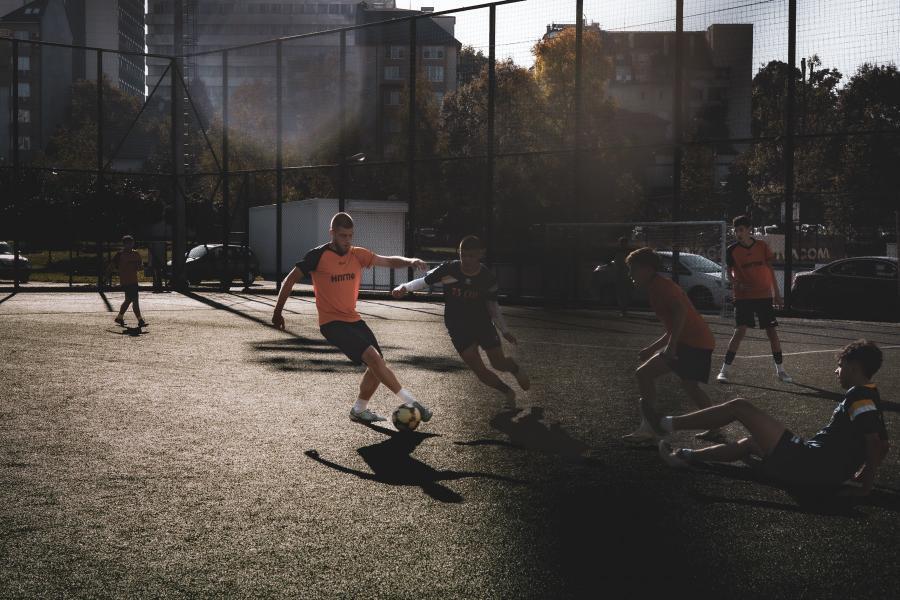
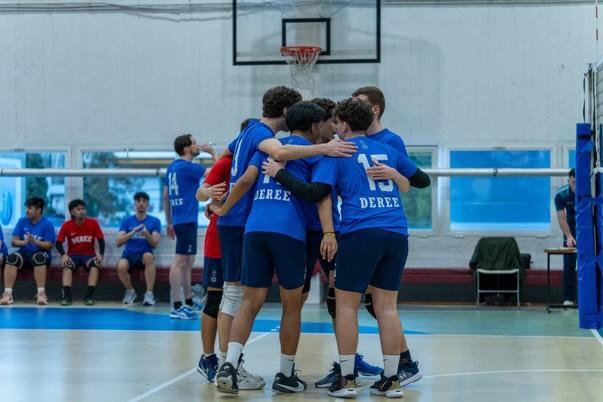
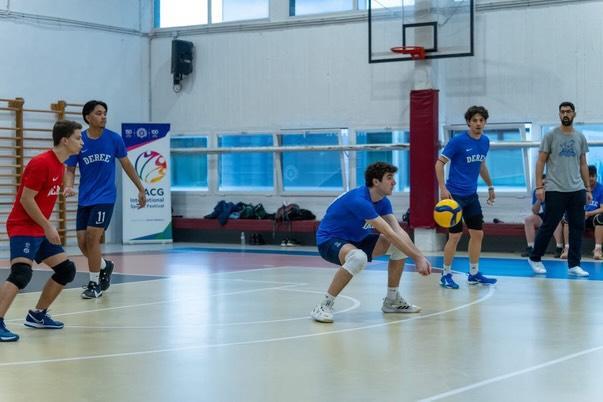
Understanding the powerful connection between physical movement and mental well-being.
Sport isn't just about physical fitness. Research consistently shows that regular physical activity is one of the most effective ways to improve mental health, build resilience, and create meaningful social connections.
Whether you're dealing with stress, anxiety, low mood, or simply want to feel better about yourself, movement can be transformative. Here's what the science tells us—and what thousands of young people have experienced firsthand.
Confidence isn't something you're born with—it's built through action. Every time you show up, try something new, or push past what you thought was possible, you're building evidence that you're capable of more than you realized.
Sport provides countless small wins. Learning a new technique, running a little further, lifting a little heavier—each achievement creates a positive feedback loop that extends far beyond the gym or field.
The confidence you build in sport transfers to other areas of life. If you can push through discomfort in training, you can push through discomfort in a job interview. If you can learn complex skills, you can learn anything.
"I never thought of myself as an athletic person. Six months into BJJ, I realized that label was just a story I'd told myself. Now I approach everything differently."
— Community member
Modern life is stressful. Work pressures, social media, financial worries, relationship challenges—it can feel overwhelming. Physical activity is one of the most effective and immediate ways to manage that stress.
When you exercise, your body releases endorphins—natural mood elevators that create feelings of well-being. At the same time, physical activity reduces cortisol, the stress hormone that can wreak havoc on your body and mind when chronically elevated.
Many athletes describe their sport as a form of moving meditation. When you're focused on a ball, a technique, or your breathing, there's no room for anxious thoughts about the future or regrets about the past. You're fully present.
Instead of reaching for alcohol, food, or endless scrolling when stressed, having sport as an outlet gives you a healthy, constructive way to process difficult emotions.
Life will knock you down. That's not pessimism—it's reality. What matters is your ability to get back up. Sport is one of the best training grounds for resilience because it gives you practice in facing challenges, experiencing setbacks, and recovering.
In sport, failure is constant. You miss shots. You lose matches. You have bad training sessions. But you learn that failure isn't the end—it's feedback. Each setback is information that helps you improve.
When you're exhausted but push through one more rep, one more sprint, one more round, you're training your mind as much as your body. You're proving to yourself that discomfort is survivable—even valuable.
Sport teaches you that ability isn't fixed. With practice, patience, and persistence, you can improve at almost anything. This growth mindset transforms how you approach challenges in all areas of life.
Humans are social creatures. We need connection to thrive. Yet modern life often leaves young people feeling isolated—especially after the pandemic. Sport offers something increasingly rare: genuine community.
When you join a team, a gym, or a running club, you immediately have something in common with everyone there. Shared struggle creates bonds faster than almost anything else.
Your training partners notice when you don't show up. They cheer your successes and support you through setbacks. This accountability and support can be life-changing, especially if you don't have it elsewhere.
The friendships formed through sport often extend far beyond training. Your gym buddies become your friends. Your running club becomes your social life. Your teammates become family.
"I moved to a new city knowing no one. Within three months of joining a volleyball league, I had a group of friends I see multiple times a week. The loneliness that had followed me for years just... disappeared."
— Community member
If you're struggling with mental health, you're not alone. Here are resources that can help.
If you're in crisis, please reach out to a helpline. In the UK, Samaritans are available 24/7 on 116 123.
Consider speaking to a GP or therapist. Sport complements professional support—it doesn't replace it.
Our community is here for you. Connect with others who understand the power of sport for mental health.
The hardest part is beginning. Let us help you find the right sport and community.